For decades, architects faced a difficult compromise: choose expansive views or choose thermal comfort. Large glass surfaces were historically synonymous with energy loss, condensation, and uncomfortable drafts. Today, that paradigm has shifted entirely.
Through precision engineering and material innovation, we can now create vast walls of glass that perform as well as—and sometimes better than—traditional insulated masonry walls. This is the story of how we engineered the impossible.
The Core Metric: Understanding U-Values
To understand the breakthrough, we must first understand the metric. The U-value (W/m²K) measures the rate of heat transfer through a structure. A lower number indicates better insulation.
- Single Glazing: Typically around 5.8 W/m²K (Very poor)
- Standard Double Glazing: Around 2.8 W/m²K
- Traditional Wall: Around 0.3 - 0.5 W/m²K
- Slidy Doors Modern System: As low as 0.8 W/m²K
Achieving a U-value of 0.8 with a sliding door system allows it to meet rigorous Passive House standards, making it suitable for even the harshest climates, from the freezing Alps to the scorching desert.
The Secret Weapon: Polyamide Thermal Breaks
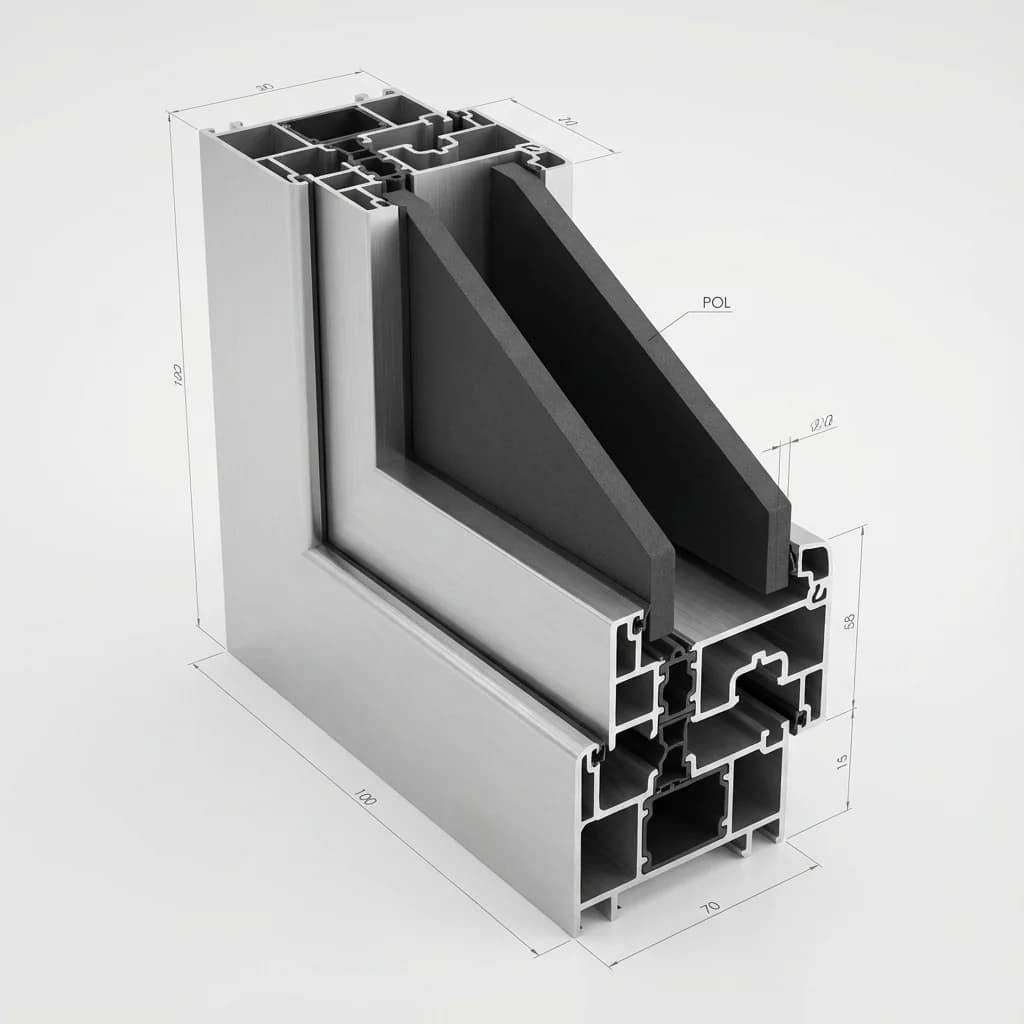
The primary challenge in aluminum fenestration is that aluminum is a highly conductive metal. If a frame is solid aluminum, it acts as a thermal bridge, rapidly transferring heat out of the building in winter and into the building in summer.
The solution lies within the profile's cross-section. We insert reinforced Polyamide Bars (a high-strength, low-conductivity plastic) between the interior and exterior faces of the aluminum frame. This "thermal break" effectively physically separates the inside from the outside, stopping the flow of thermal energy.
"Sustainability is no longer an optional feature; it is the baseline of modern luxury engineering. We don't just build for today; we build for a sustainable future."
Glass Tech: More Than Just Transparent
The frame is only half the story. The glass itself is a marvel of high-tech engineering. Our systems are optimized for triple glazing units that incorporate:
- Inert Gas Fills: The spaces between glass panes are filled with Argon or Krypton gas, which are denser than air and inhibit heat transfer.
- Low-E Coatings: Microscopically thin metal oxide layers reflect long-wave infrared heat. In winter, they reflect interior heat back into the room. In summer, they reflect solar heat away.
- Warm Edge Spacers: Replacing traditional aluminum spacers between glass panes with composite materials reduces heat loss at the glass edge.
Conclusion
The era of choosing between aesthetics and performance is over. With Slidy Doors systems, you can specify huge, spans of glass without compromising on your building's energy footprint. This is sustainable luxury.